


Ramadhan – Food for the Soul
Fasting and the month of Ramadhan hold a central place in Islam, as presented in the Qur’an, serving as a means of spiritual growth, self-discipline, and heightened awareness of God. Rather than being framed solely as a physical act of abstention, fasting is described as a comprehensive practice that nurtures moral consciousness, compassion, and gratitude. The Qur’anic guidance on Ramadhan emphasizes purpose, balance, and mercy, making it a profound period of reflection and renewal for individuals and communities.
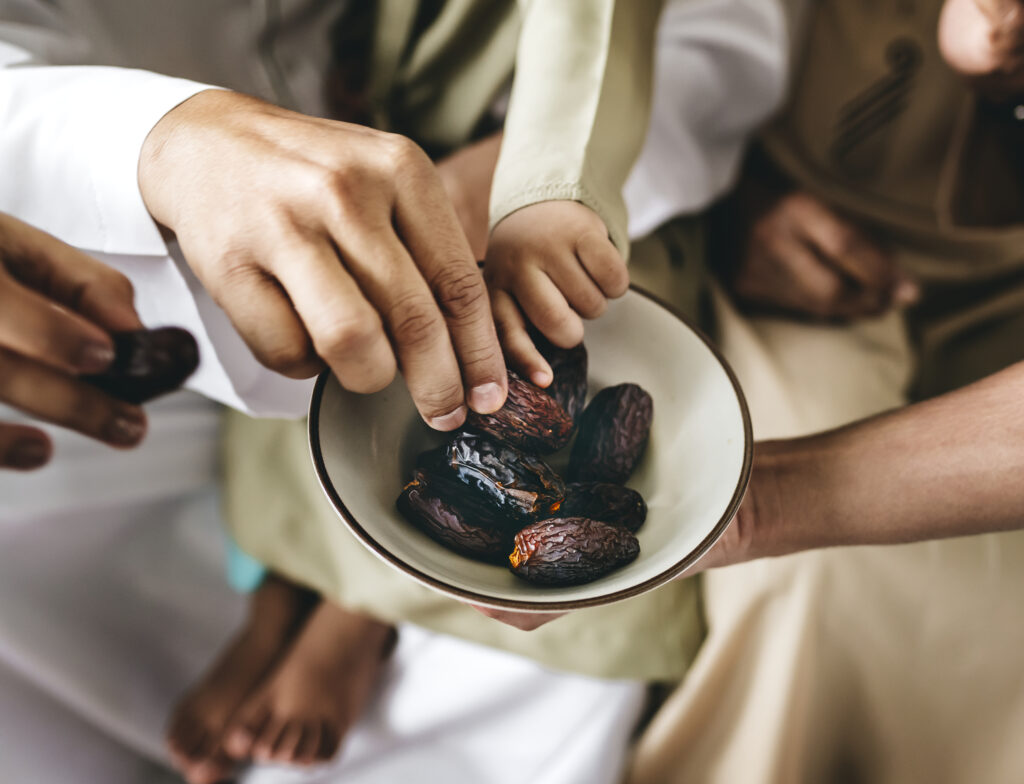
The obligation of fasting is clearly established in the Qur’an: “O you who believe, fasting has been prescribed for you as it was prescribed for those before you, so that you may attain mindfulness of God” (Qur’an 2:183). This verse highlights the primary objective of fasting: developing taqwa, or God-consciousness. By abstaining from food, drink, and other physical needs from dawn to sunset, individuals are reminded of their dependence on God and are encouraged to exercise restraint over desires, thoughts, and behavior.
The Qur’an specifically identifies Ramadhan as the month in which fasting is observed, describing it as a time of exceptional spiritual significance. “The month of Ramadhan is the one in which the Qur’an was sent down as guidance for mankind, with clear proofs of guidance and distinction” (Qur’an 2:185). This verse connects fasting with revelation, indicating that Ramadhan is not only a period of physical discipline but also a time for engaging deeply with the Qur’an. Reflection upon divine guidance becomes a central focus, reinforcing the transformative purpose of the month.
The Qur’an also emphasizes that fasting is intended to be a practice of mercy and balance rather than hardship. Allowances are made for those who are ill or traveling, permitting them to make up missed days later (Qur’an 2:184–185). This flexibility reflects a broader Qur’anic principle: “God intends for you ease and does not intend for you hardship” (Qur’an 2:185). Such guidance underscores that the spiritual goals of fasting are prioritized over rigid formalism, ensuring that the practice remains accessible and compassionate.
Beyond individual spirituality, fasting cultivates empathy and social responsibility. Experiencing hunger and thirst heightens awareness of the struggles faced by others, encouraging generosity and care for the less fortunate. While fasting is a personal act of worship, the Qur’an consistently links righteousness with spending on others and supporting those in need (Qur’an 2:177). In this way, Ramadhan strengthens communal bonds and reinforces ethical responsibility.
Fasting is also portrayed as an act of sincere devotion known fully only to God. The Qur’an states that those who believe and perform righteous deeds are promised forgiveness and reward (Qur’an 33:35), and fasting, carried out with patience and sincerity, becomes part of this broader moral framework. The month of Ramadhan thus serves as a concentrated period for cultivating virtues that extend beyond its days.
In conclusion, the Qur’an presents fasting and the month of Ramadhan as essential components of Islamic life, aimed at nurturing mindfulness of God, moral discipline, and compassion. Rooted in divine guidance and characterized by mercy, Ramadhan offers a recurring opportunity for spiritual renewal, self-reflection, and ethical growth that continues to shape individuals and society long after the fast has ended.