
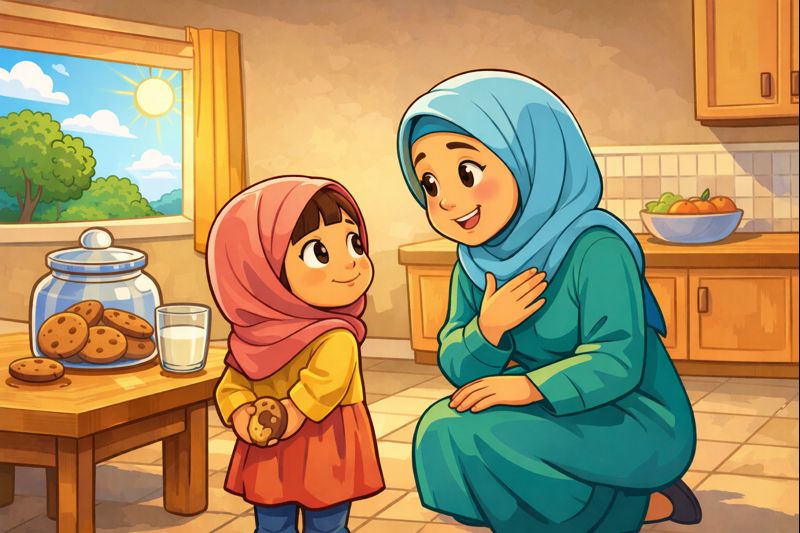
Amira and the Missing Cookie
A story about the importance of telling the truth. One sunny morning, little Amira was playing in the kitchen. She saw a cookie jar on the table and couldn’t resist taking a cookie. But as… Amira and the Missing Cookie
A story about the importance of telling the truth. One sunny morning, little Amira was playing in the kitchen. She saw a cookie jar on the table and couldn’t resist taking a cookie. But as… Amira and the Missing Cookie
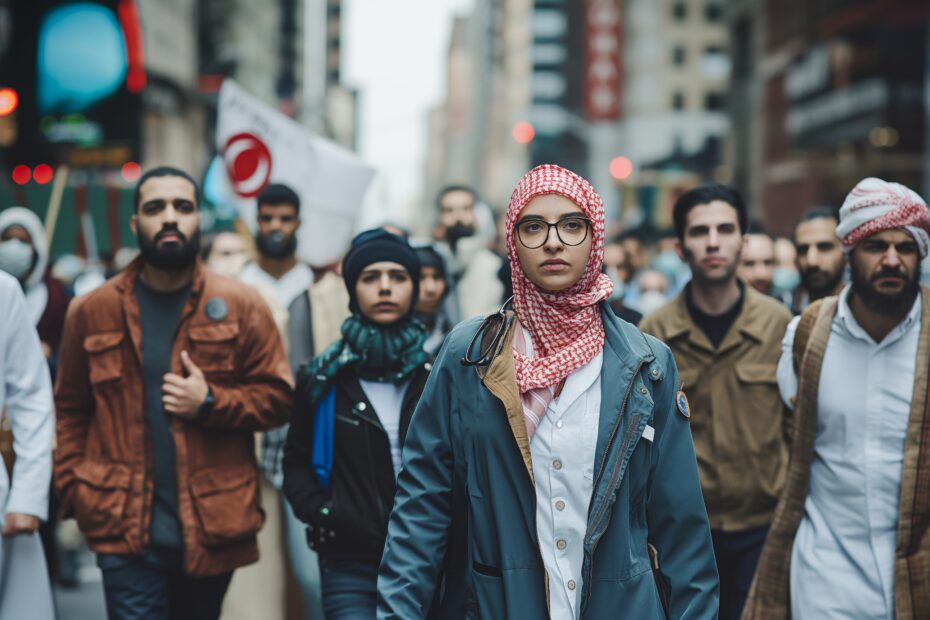
Justice is a central and defining principle in Islam, deeply rooted in the teachings of the Qur’an. It is presented not merely as a social ideal, but as a divine command that governs personal conduct,… Upholding Justice is Obedience to God
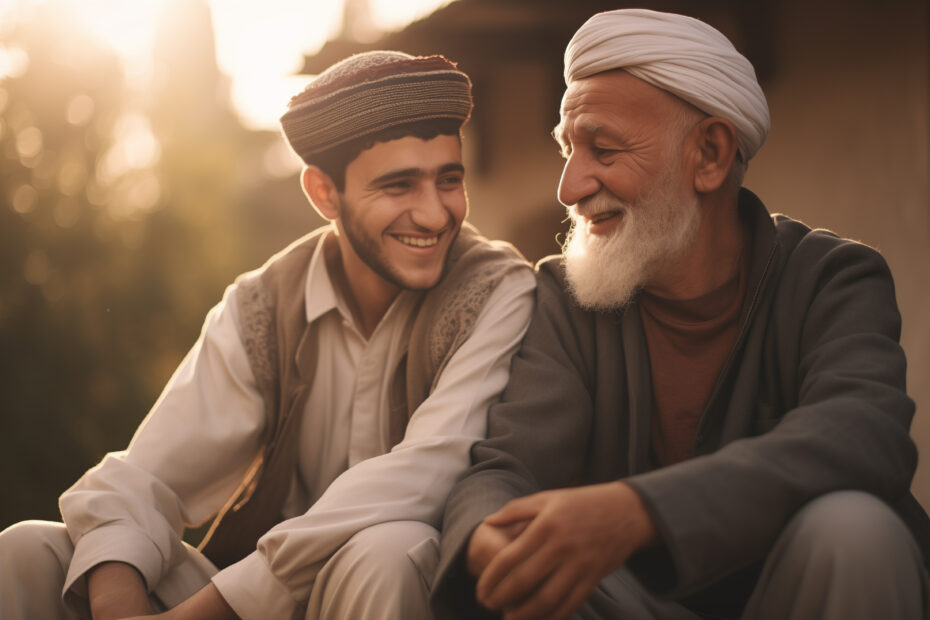
Looking after the elderly holds a place of deep importance in Islam, as emphasized throughout the Qur’an, where care, respect, and compassion for older members of society are presented as moral obligations. The Qur’anic perspective… Caring For Our Elderly – A Spiritual Responsibility

Raising righteous children holds great importance in Islam, as presented in the Qur’an, where family life is viewed as a foundation for moral continuity and social stability. Children are described as a trust, and parents… Children – A Sacred Trust
Seeking knowledge holds a central and enduring place in Islam, as presented in the Qur’an, where learning is closely tied to faith, reflection, and moral responsibility. Knowledge in the Qur’anic worldview is not limited to… Seek Knowledge!
The Qur’an presents Muslims as active, responsible members of society whose conduct should reflect justice, compassion, and moral integrity wherever they live. Faith in Islam is not confined to private belief or ritual practice, but… Muslims Should Be Role Models in Every Society
Iʿtikāf is a spiritual practice in Islam that involves secluding oneself for worship and reflection, traditionally in a mosque, with the aim of deepening one’s relationship with God. Although the Qur’an mentions iʿtikāf briefly, its… Iʿtikāf – An Act of Devotion
Fasting and the month of Ramadhan hold a central place in Islam, as presented in the Qur’an, serving as a means of spiritual growth, self-discipline, and heightened awareness of God. Rather than being framed solely… Ramadhan – Food for the Soul
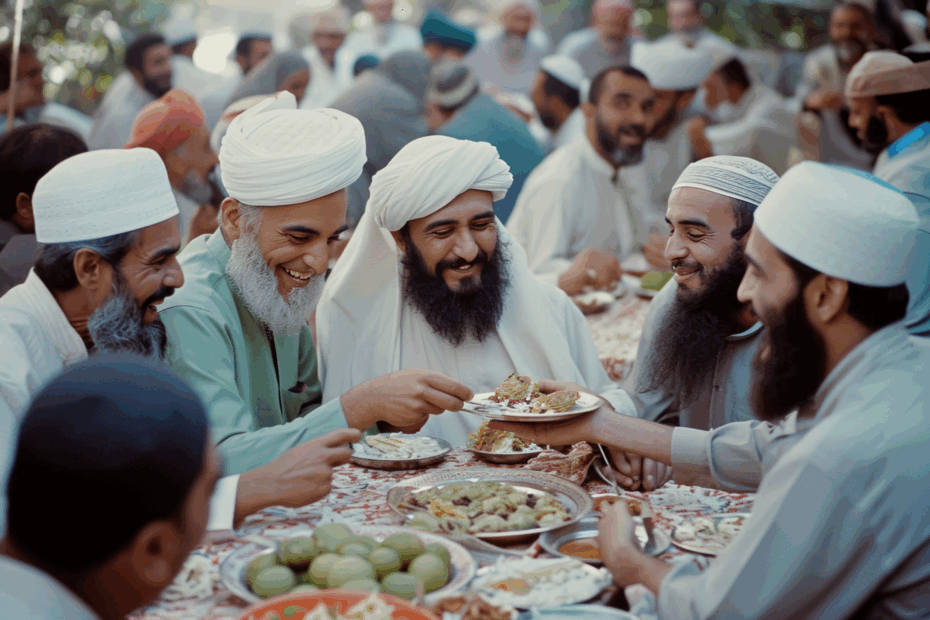
The Qur’an presents men as morally accountable individuals entrusted with responsibility toward themselves, their families, and society at large. Rather than framing male identity in terms of dominance or privilege, the Qur’an emphasizes duty, ethical… The Role of Men in Society
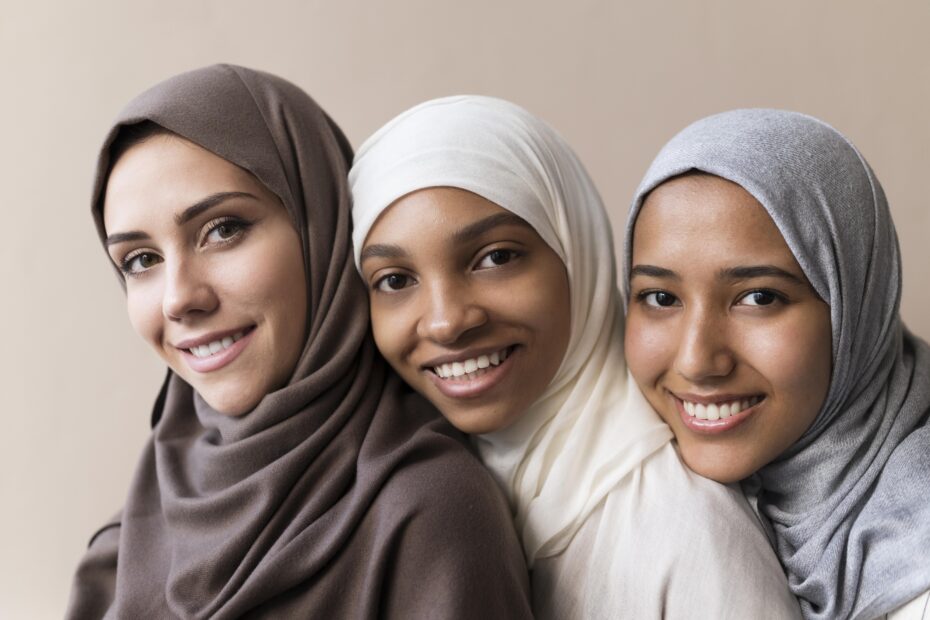
The Qur’an presents women as full moral, spiritual, and social agents, endowed with dignity, responsibility, and rights equal in value to those of men. From its earliest revelations, the Qur’an challenged pre-Islamic norms that marginalized… The Status of Women