

Children – A Sacred Trust
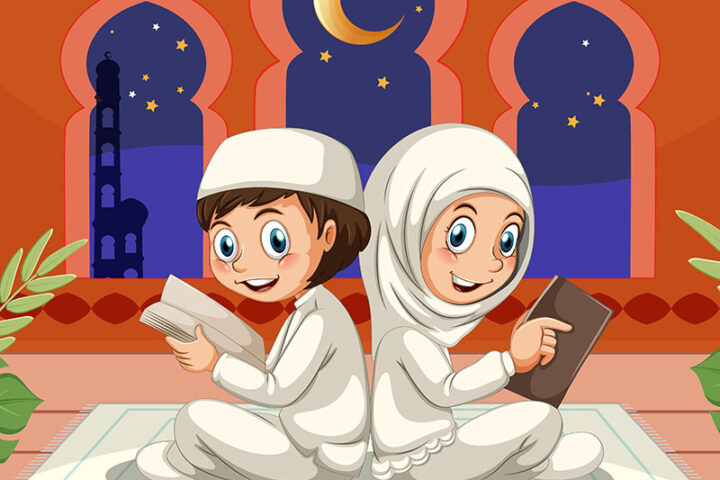
Raising righteous children holds great importance in Islam, as presented in the Qur’an, where family life is viewed as a foundation for moral continuity and social stability. Children are described as a trust, and parents are entrusted with guiding them toward faith, ethical conduct, and awareness of God. The Qur’anic approach to raising children emphasizes responsibility, example, prayer, and compassionate instruction rather than coercion or harshness.
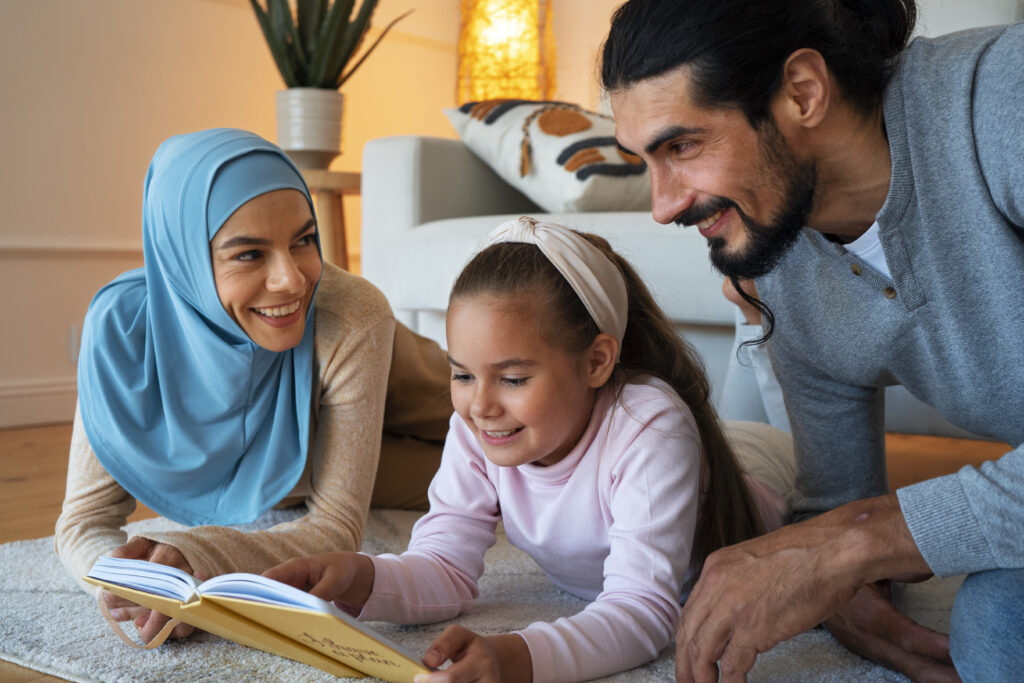
The Qur’an acknowledges children as both a blessing and a test. It states, “Your wealth and your children are but a trial, and with God is a great reward” (Qur’an 64:15). This verse highlights that while children bring joy and meaning, they also require careful guidance. Parents are reminded that their role is not simply to provide materially, but to nurture moral character and spiritual awareness.
One of the clearest Qur’anic commands regarding upbringing is the obligation to protect one’s family from moral harm. “O you who believe, protect yourselves and your families from a Fire” (Qur’an 66:6). This verse underscores parental responsibility for moral and spiritual education. Protection here is understood through guidance, teaching, and example, ensuring that children grow with a sense of accountability and values rooted in faith.
The Qur’an provides a powerful model of parental guidance through the advice of Luqman to his son. Luqman begins by teaching the foundations of faith, warning against associating partners with God and emphasizing gratitude (Qur’an 31:13–14). He continues by encouraging prayer, ethical behavior, patience, humility, and respectful conduct toward others (Qur’an 31:16–19). This passage illustrates that raising righteous children involves nurturing belief alongside good character, balance, and social responsibility.
Prayer is another essential element in the Qur’anic vision of righteous upbringing. The Qur’an records supplications of believers who ask God to grant them upright offspring, such as the prayer, “My Lord, grant me from Yourself righteous offspring” (Qur’an 3:38). Another supplication asks that spouses and children be made a source of comfort and moral leadership (Qur’an 25:74). These prayers reflect the understanding that while effort is essential, righteousness is ultimately supported by divine guidance.
The Qur’an also emphasizes the power of example. Parents are called to live according to the values they wish to instill, as actions carry lasting influence. The Qur’an repeatedly links guidance with practice, stressing that belief must be accompanied by righteous deeds (Qur’an 61:2–3). Children learn integrity, honesty, and compassion most effectively when these qualities are modeled consistently in the home.
Additionally, the Qur’an warns against neglecting moral priorities in the pursuit of worldly success. It reminds believers that neither wealth nor children will benefit a person if they distract from righteousness (Qur’an 26:88–89). This perspective encourages parents to prioritize ethical and spiritual growth over status or material achievement.
In conclusion, the Qur’an presents raising righteous children as a sacred trust that shapes both family and society. Through guidance, prayer, personal example, and compassionate instruction, parents fulfill a vital responsibility. By nurturing faith and character together, the Qur’anic approach aims to raise individuals who contribute positively to the world and remain conscious of their accountability before God.