The Role of Men in Society
The Qur’an presents men as morally accountable individuals entrusted with responsibility toward themselves, their families, and society at large. Rather than framing male identity in terms of dominance or privilege, the Qur’an emphasizes duty, ethical conduct, and stewardship. The role of men in Islam, as outlined in the Qur’an, is inseparable from justice, compassion, and accountability before God.

At the most fundamental level, men share the same human origin and moral framework as women. The Qur’an affirms that all people are created from a single soul (Qur’an 4:1), and that true honor is based on righteousness rather than gender (Qur’an 49:13). This establishes that men do not possess inherent superiority, but are judged according to their actions and moral character. Every individual, male or female, bears personal responsibility for faith and conduct.
A key Qur’anic principle regarding men’s social role is responsibility and care. The Qur’an assigns men a duty of maintenance and protection within the family, stating, “Men are caretakers of women by what God has given one over the other and by what they spend of their wealth” (Qur’an 4:34). This verse emphasizes obligation rather than authority, linking responsibility to provision and ethical conduct. The Qur’an repeatedly stresses that leadership or responsibility is tied to accountability, not entitlement.
Men are instructed to uphold justice in all aspects of life. “O you who believe, stand firmly for justice, as witnesses for God, even if it be against yourselves or parents and relatives” (Qur’an 4:135). This command underscores that men, like all believers, must place justice above personal interest, power, or social pressure. Integrity and fairness are presented as defining characteristics of moral leadership.
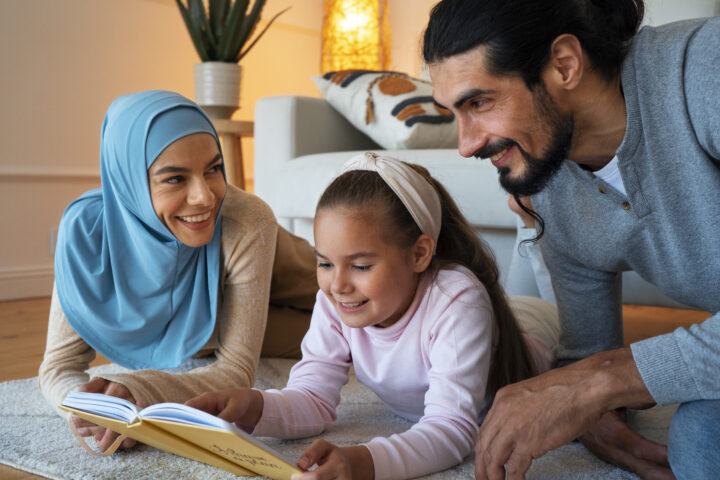
Within family life, the Qur’an calls men to kindness, patience, and respect. Marriage is described as a relationship founded on tranquility, affection, and mercy (Qur’an 30:21). Men are instructed to live with their spouses in kindness (Qur’an 4:19), setting a clear ethical standard for behavior. The Qur’an condemns injustice and harm within relationships, reinforcing that strength is demonstrated through compassion and restraint rather than control.
The Qur’an also emphasizes men’s responsibility toward the wider community. Believing men are described as partners with believing women in promoting good and preventing harm (Qur’an 9:71). This portrays men not as isolated authorities, but as cooperative participants in maintaining moral and social order. Men are encouraged to give charity from what they have been provided (Qur’an 2:3), reminding them that wealth and ability are trusts to be used for the benefit of others.
Spiritual accountability remains central to the Qur’anic view of men’s roles. The Qur’an repeatedly affirms that deeds, not status, determine reward: “Whoever does righteousness, whether male or female, while being a believer, We will grant them a good life” (Qur’an 16:97). Men are therefore called to humility, self-discipline, and awareness that their actions have consequences beyond this life.
In conclusion, the Qur’an defines the role of men in society through responsibility, justice, and service rather than privilege. Men are entrusted with care, ethical leadership, and moral accountability, grounded in compassion and fairness. Their role is not one of domination, but of stewardship, contributing to social harmony and spiritual integrity through righteous conduct.
What could we improve?
Thanks! What would you like to read more about?
Thanks for your feedback!
You've already given feedback on this article — thank you!